
What's the difference between snaking a drain and hydro jetting?
A cable machine, snaking, pushes a rotating cable through the blockage and opens a path. Hydro jetting sends high-pressure water through a directional nozzle that scours the pipe wall back to its original diameter. Snaking is faster and cheaper and often enough. Jetting is the right call for grease, scale, or recurring clogs, and is a bad idea in a line that’s already compromised.
When a snake is the right tool
A single blocked fixture, a hairball in a shower branch, a kitchen line that backed up once. It’s quicker, cheaper, and needs no camera to justify. The limitation is that a cable makes a hole through the obstruction rather than removing it. The grease ring on the pipe wall is still there, which is why a snaked kitchen line often backs up again within months.
When jetting earns its money
- Recurring clogs in the same line. If you’ve snaked it twice, the third time should be a jetter.
- Kitchen and restaurant grease. A cable cores through it. Water cuts it off the wall.
- Scale and mineral buildup: relevant across the valley, where the water deposits rather than dissolves.
- Root hair after mechanical cutting, to clean the joint properly.
When jetting is the wrong call
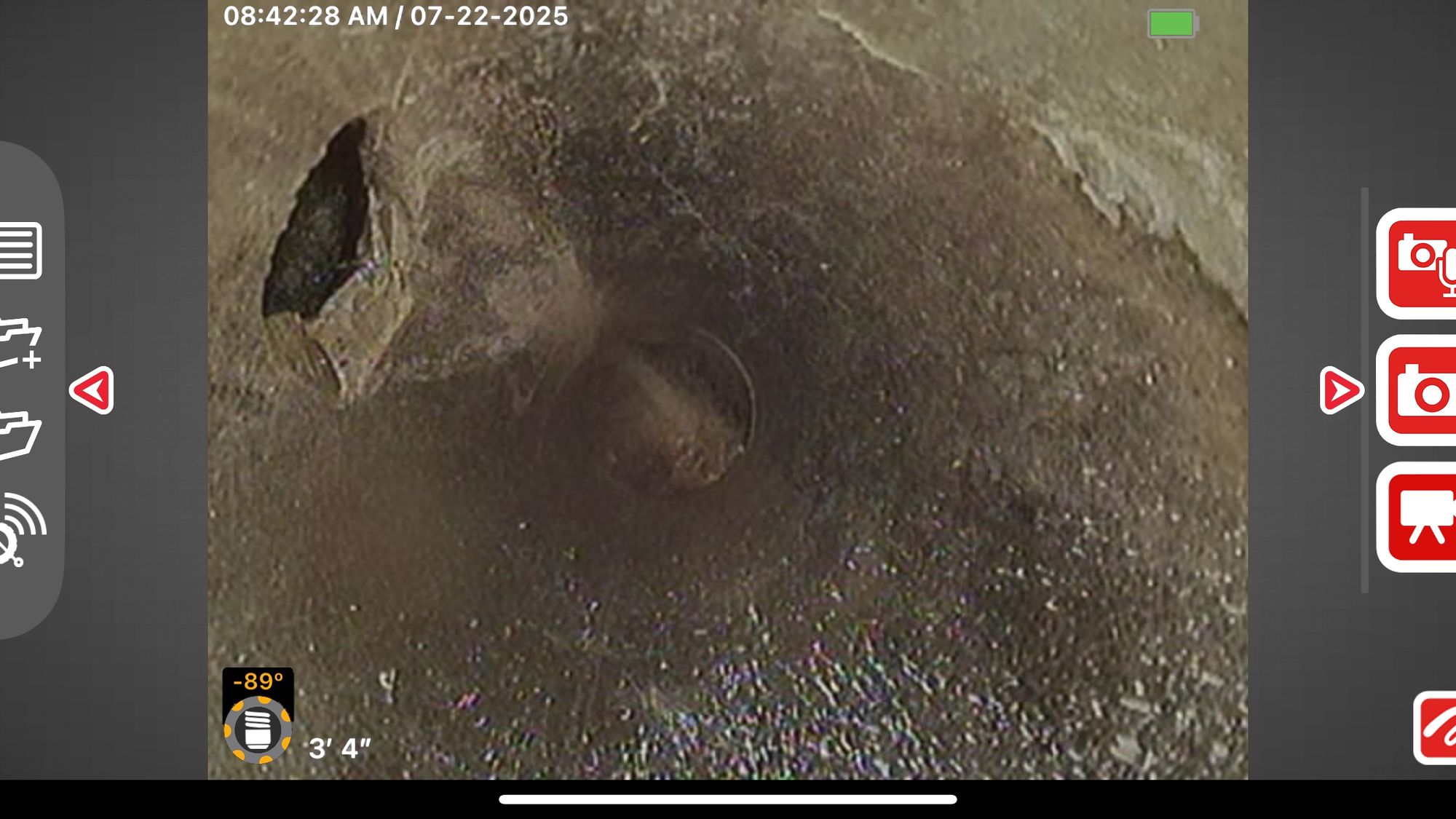
This is the part that usually goes unsaid. High-pressure water in a line that’s already cracked, badly bellied, or made of deteriorated cast iron or clay can make the damage worse. That’s exactly why a camera inspection should come first on any older line. On older lines, camera before jetter isn’t upselling. It’s the sequence that avoids turning a cleaning into a dig.
How to buy it without getting oversold
Ask which one they’re proposing and why. Ask whether the line has been camera'd and to see the footage. Ask what happens if it clogs again in ninety days. A contractor who stands behind a jetting will say so. If someone proposes jetting a main line sight-unseen on an older house, ask why the camera isn’t first.
Where this page cites a utility, permit or housing figure for a specific town, it’s that town’s published data. Your own city’s water report applies to your tap and your city’s building department sets your permit rules; ask us which apply to your address.
The next thing you were going to ask.
One slow drain is a fixture. Every drain slow is the main line, and that changes everything.
Can tree roots really break my sewer line?→They find a joint that's already weeping, but the old-clay story mostly doesn't fit the East Valley.
What’s a slab leak and how would I know I have one?→A leak in the lines under your foundation. In the slab-on-grade East Valley, it's the expensive one.