
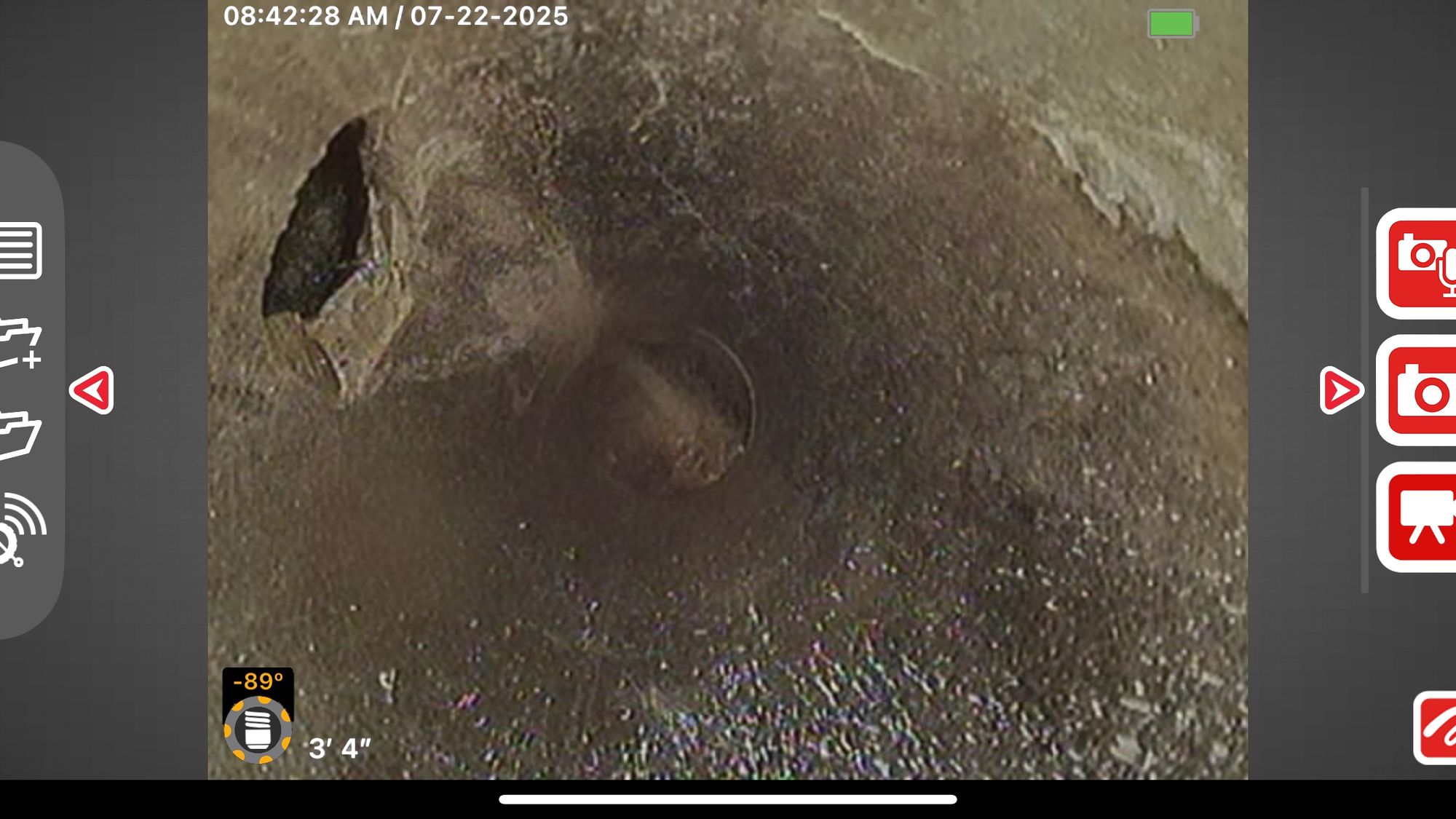
A snake makes a hole. A jetter cleans the pipe.
That’s the entire difference, and it explains why a snaked kitchen line comes back in four months. Jetting is the right tool for a line that keeps closing, and the wrong tool for a line that’s already broken.
Hydro jetting uses water at high pressure through a directional nozzle to scour a drain line back toward its original inside diameter, rather than punching an opening through the blockage the way a cable snake does. It’s the right tool when a line has clogged repeatedly, and the wrong tool when the pipe itself is cracked, offset, or collapsed, which is why a camera should go in first.
Why repeat clogs are a pipe problem, not a clog problem
A cable auger is excellent at restoring flow today. It bores through the obstruction and water moves again. What remains is everything lining the pipe wall (grease, soap, scale, and the biofilm that binds them) and that lining is why the same line closes again on a predictable schedule. Jetting attacks the lining instead of the opening. The nozzle pulls itself up the line on rearward jets while forward jets cut, and what comes back to the cleanout is the buildup rather than a plug.
The hard-water angle
Mineral deposit roughens the inside of a drain line, and a rough surface is a far better anchor for grease and soap than smooth PVC. This is why kitchen lines here reclog on a shorter cycle than a snake alone would suggest, and it’s the strongest argument for jetting a line that has already come back once.
When jetting is the wrong call
Water at that pressure is indifferent to whether the pipe is sound. If a lateral has a crack, an offset joint, a belly holding standing water, or sections of older pipe that have deformed, jetting can turn a partial failure into a full one, and now you’re digging on an emergency schedule rather than a planned one. That’s the reason to camera the line first. A camera pass costs a fraction of a lateral replacement and it’s the only way to know whether the pipe can take the pressure. Anyone who wants to jet a main line without looking at it first is guessing with your sewer.
Roots, with the caveat
Root intrusion is a real failure mode and it’s also the most oversold one in this market. The pitch assumes an old clay lateral, and most East Valley subdivisions built after 1990 don’t have one. Roots do enter PVC at a compromised joint, and where a camera shows that, a root-cutting nozzle removes the mass and restores flow. What it doesn’t do is close the defect they came in through. Treat that as maintenance on a known problem, not a fix, and don’t accept root intrusion as a diagnosis without seeing it.
Where this page cites a utility, permit or housing figure for a specific town, it’s that town’s published data. Your own city’s water report applies to your tap and your city’s building department sets your permit rules; ask us which apply to your address.
When jetting earns its price
Snaking cleared the opening and left the lining. The second clog is the buildup telling you what the first one didn't.
Grease bonded to a scaled pipe wall. The interval between clogs is the buildup rate, and it accelerates.
What we pull out tells you what’s in there. Coating on the cable means a lined pipe, not a plug.
A main line with reduced diameter throughout rather than one obstruction at one point.
The ideal jetting candidate: a structurally sound pipe with a narrowed interior. This is exactly what jetting fixes.
What jetting runs in the East Valley
Jetting is priced well above snaking because it’s a different machine and a different job. Published Phoenix figures for it vary more than for almost any other service, so treat the spread as real.
Compiled 2026-08-21 from published Phoenix-metro price guides (plumbingpriceguide.com/phoenix-plumbing-cost, phoenixplumbingauthority.com, desertrainplumbing.com, plumbingphoenixpros.com), which carry a local figure for this job. Those guides put routine hydro jetting near $900–$1,700 metro-wide; our planning range runs $800–$2,500 because root-cutting nozzles and long or hard-access laterals sit above the routine tier. Individual pages disagree sharply. One lists $250–$400, another $385–$1,140, and a third quotes main-line jetting with camera inspection up to $700, which is worth knowing when you compare bids. Where local sources conflict this widely, the honest move is a wide range and a note saying so. These are metro-wide planning guides, not a quote: only the plumber standing in your house can give you one.
The diagnostic fee comes off the repair. We charge a service call to come out and diagnose the problem. If you approve the work, that fee is credited against it in full. You hear the fee on the phone before anyone drives, and it’s the same number at every location.
How a jetting job runs
We look at the line first
A camera pass confirms the pipe is structurally sound. Jetting a cracked or offset line can turn a partial failure into a full one.
We set up access and containment
The jetter goes in through the cleanout. We set up containment, because what comes back out is exactly what was lining your pipe.
We work the nozzle upstream
Rearward jets pull the hose up the line while forward jets cut. We repeat the pass until the return water runs clear rather than loaded.
We run a second camera pass
The before-and-after is the deliverable and we show you both. If a jetting job can’t produce a cleaner pipe on camera, you paid for a snake.
What this job looks like when we do it.
Not stock, not a rendering, and nothing generated. Every photograph on this site is an actual plumbing job in an actual house.
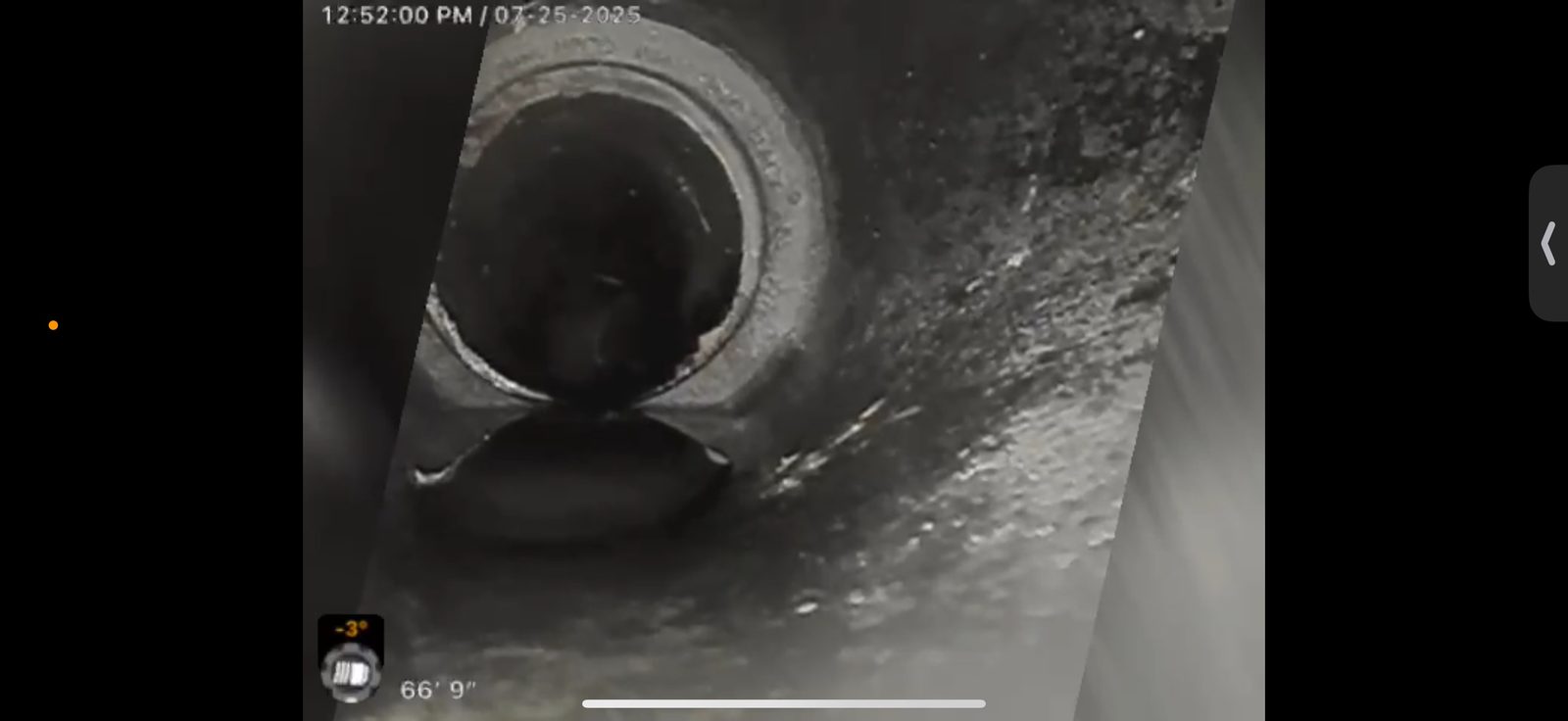 Camera in the lateral, 66 ft 9 in
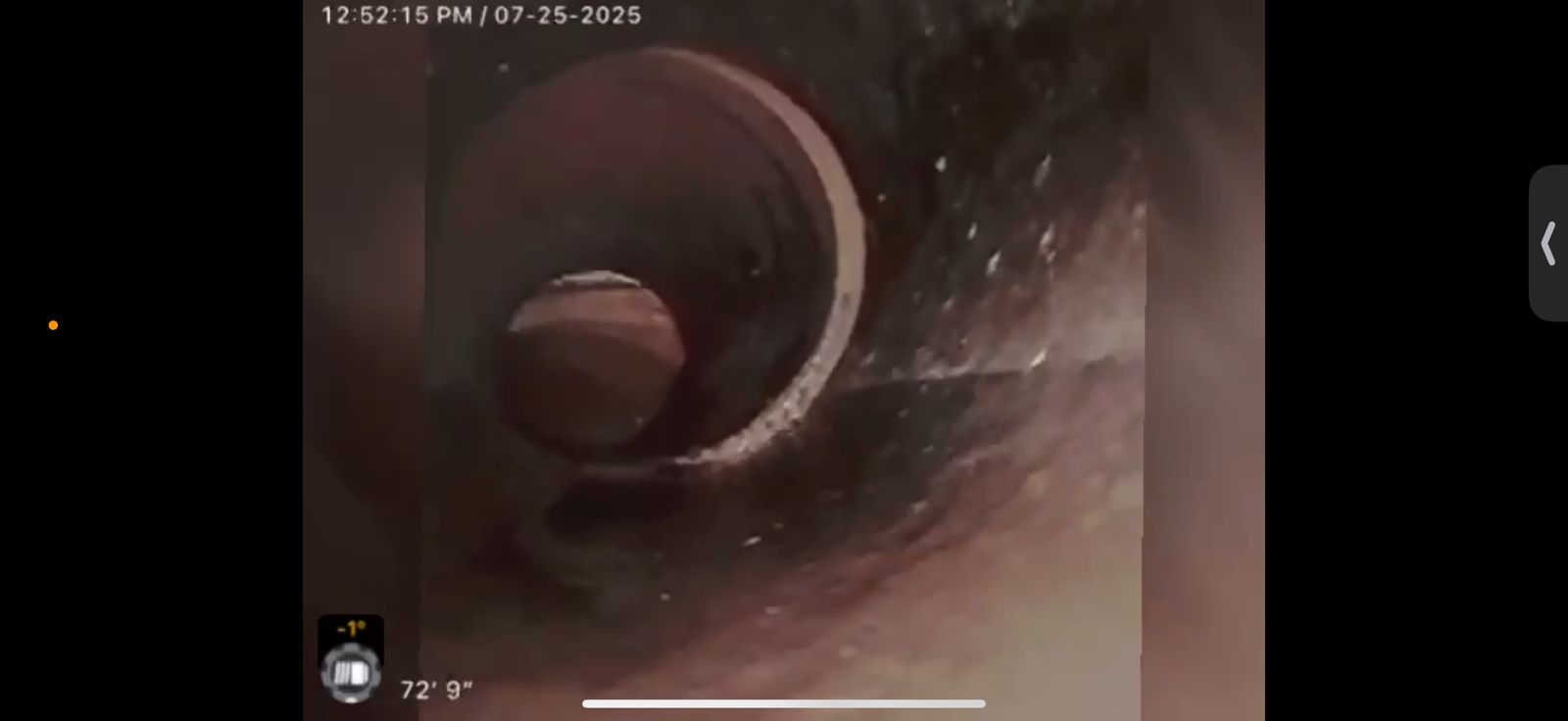 Camera in the lateral, 72 ft 9 in
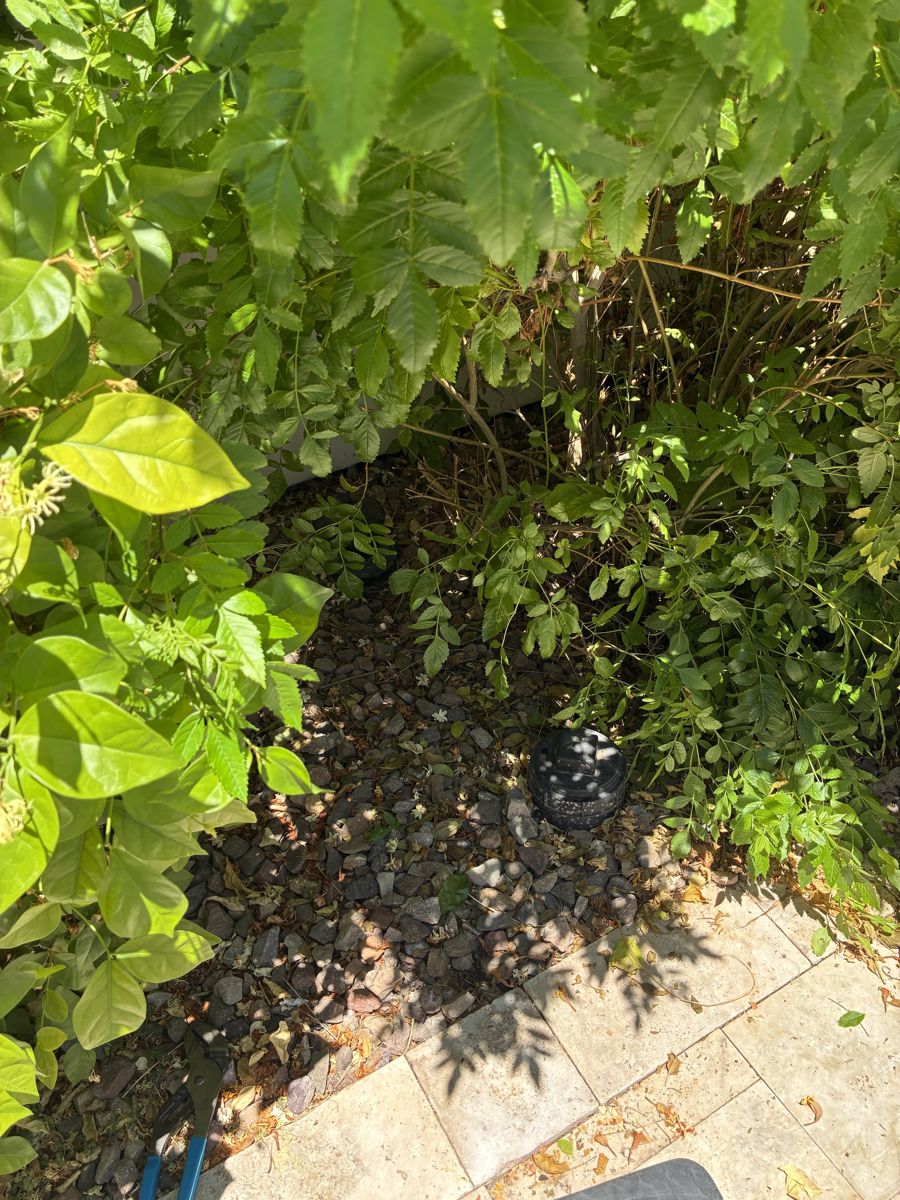 Find your cleanout before you need it
Where jetting gets used
Mostly kitchens that have been cooking for twenty-five years. Genuinely old laterals are scarce outside the oldest pockets, so the case for jetting is usually buildup rather than age.
Answers, not a brochure.
What's the difference between snaking and hydro jetting?
A cable snake bores an opening through a blockage and restores flow. Hydro jetting uses water at high pressure to scour the pipe wall, removing the grease, soap, scale, and biofilm lining it. The practical difference is duration: a snaked line frequently recloses because everything that caused the clog is still in there. A jetted line has been cleaned back toward its original diameter. Snaking is right for a first clog. Jetting is right for a line that keeps closing.
Can hydro jetting damage my pipes?
It can, on a pipe that’s already compromised, which is exactly why a camera should go in first. High-pressure water is indifferent to whether the line has a crack, an offset joint, or a deformed section of older pipe. On sound PVC, ABS, or cast iron it’s safe and routine. On a lateral that’s already failing it can turn a manageable problem into an emergency excavation. Decline any main line jetting proposed without a camera pass.
Does hydro jetting get rid of roots permanently?
No, and be suspicious of anyone who says otherwise. A root-cutting nozzle removes the mass and restores flow, sometimes for a year or more, but it doesn’t close the defect the roots entered through. Be equally skeptical of the diagnosis itself on a house built after 1990: the old-clay-pipe premise the root pitch rests on rarely applies. Ask to see the intrusion on camera. The permanent answer is repairing or lining the section where they’re getting in.
Is jetting worth it in hard-water areas specifically?
The case is a little stronger here than in soft-water cities. Mineral deposit inside a drain line gives grease and soap a rough surface to bond to, which is a plausible mechanism for the short reclog intervals people report on kitchen lines locally. The honest caveat: that’s the chemistry, not a study connecting it to local drain reclog rates.
How often should a line be jetted?
Ideally never on a routine schedule: jetting is a response to a condition, not a subscription. If a line has a known defect being managed rather than repaired, the camera footage sets the interval, and that interval should be stated in months with a reason. Be wary of an annual jetting plan sold on a line nobody has ever put a camera into. Ask what condition is being managed and ask to see it.
If this line has closed before, say how many times and how long between. That sets the tool.